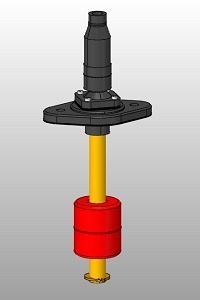







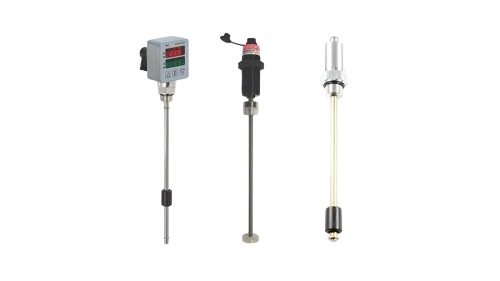








Float Switch with Temperature Sensor

LOADING IMAGES

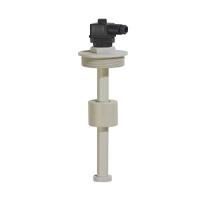
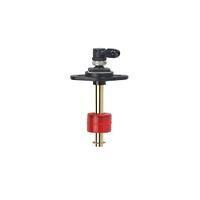
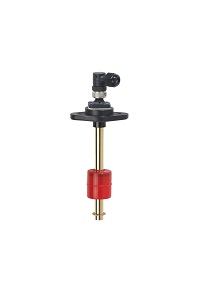
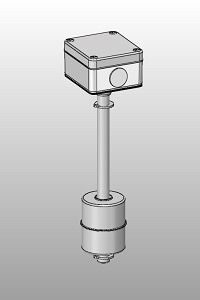
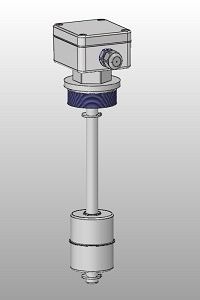
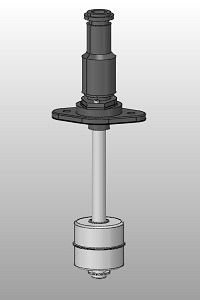
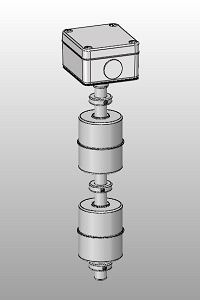
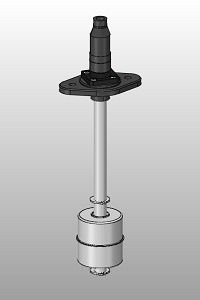
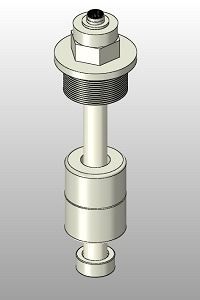
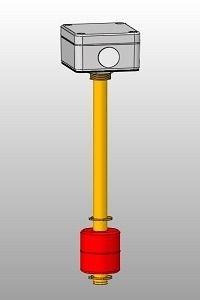
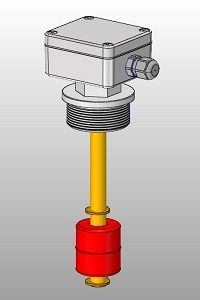
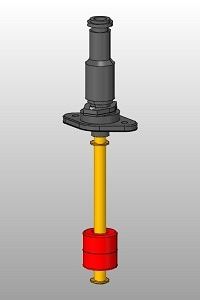
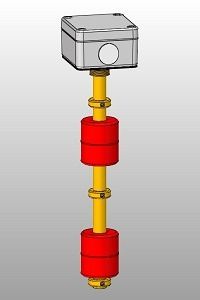
A float switch with a temperature sensor is a device commonly used in tanks or containers to monitor both the liquid level and the temperature of the medium. It combines two key functions in a single unit: a float switch for level detection and a temperature sensor for thermal measurement. The liquid level is typically output as a digital signal, while the temperature is provided as a resistance signal, which can be evaluated using appropriate measurement equipment.
Operating Principle:
The operating principle of a float switch with a reed contact relies on the interaction between a magnet and a reed switch. The float switch includes a buoyant body (the float) that rises and falls with the liquid level. This float contains a magnet. As the liquid level changes, the float moves accordingly. When it reaches a defined level, the magnet nears the reed contact—two ferromagnetic contact leaves sealed in a glass bulb and separated by a small air gap. The magnetic field pulls the leaves together, closing the circuit. This closed contact can trigger a signal, such as activating an alarm or controlling a device like a pump or motor.
Temperature measurement is carried out using highly accurate sensors such as PT100 or PT1000 types. These sensors operate on the principle that the electrical resistance of a metal changes with temperature. A PT100 sensor uses a platinum element whose resistance increases as the temperature rises. A PT1000 sensor works in the same way, but with a resistance that is 1000 times higher than that of the PT100.
PT sensors offer highly precise and reliable resistance values that directly correspond to the temperature of the liquid or medium. These analog resistance values are converted into temperature readings, which are displayed via appropriate measuring devices or evaluation circuits. The temperature values can also be transmitted to control and regulation systems to monitor and, if necessary, manage the system's thermal conditions.
Advantages:
- Reliable Level Detection: Float switches are robust, proven sensors that offer a dependable way to monitor the fill level in tanks or containers. They are compatible with various liquids and function reliably across a range of environmental conditions.
- Accurate Temperature Measurement: Analog temperature measurement delivers precise data about the medium's temperature, enabling effective process control and early identification of potential issues.
- Combined Functionality: A float switch with analogue temperature measurement monitors two critical parameters simultaneously. This dual-function design saves space, reduces cost, and eliminates the need for separate sensors.
- Easy Installation and Maintenance: Float switches are typically easy to install and require minimal maintenance. With no internal moving parts in contact with the liquid, they are less prone to clogging or mechanical failure.
- Robust Design: Made from durable materials, float switches are suitable for demanding industrial environments, including exposure to corrosive or aggressive liquids.
- Quick Response: These devices react swiftly to changes in level or temperature, supporting timely alerts and effective control.
- Adaptability: Available in a wide range of designs and sizes, float switches can be tailored to meet the specific needs of diverse applications.
- Safety: Continuous monitoring of both level and temperature helps detect and prevent hazardous situations early, enhancing operational safety and protecting personnel and equipment.
Applications & Industries:
- Industrial Automation: In automated manufacturing processes, float switches with temperature measurement are frequently used in fluid tanks and containers to monitor the level and temperature of cooling or lubricating fluids in machinery and process plants. This ensures precise fluid supply for smooth operations and optimal process conditions.
- Mechanical Engineering: In machinery and equipment that operate with fluids, float switches with temperature measurement are commonly used in hydraulic or lubrication systems. They monitor oil levels and temperatures to ensure proper lubrication and cooling, helping extend machine lifespan and reduce downtime due to lubrication issues.
- Chemical and Pharmaceutical Industry: Float switches with temperature measurement are employed in storage tanks and reactors to monitor the level and temperature of chemical substances. This ensures safe chemical handling and enables controlled reaction environments.
- Power Generation: In power plants and energy storage facilities, these devices are used to monitor fuel levels and cooling system temperatures, supporting efficient energy production and safe facility operation.
- Food and Beverage Industry: In food processing and beverage production, float switches with temperature measurement are used in tanks and containers to control the level and temperature of ingredients, products, or cleaning solutions, ensuring quality and process reliability.
- Water Treatment and Wastewater Management: In water treatment plants and wastewater facilities, float switches with temperature measurement are used to monitor levels and temperatures across tanks and basins. This helps maintain stable, efficient treatment processes and prevents operational disruptions.
-
×
-
×
-
×
-
×
-
×
-
×
-
×
-
×
-
×
-
×
-
×